

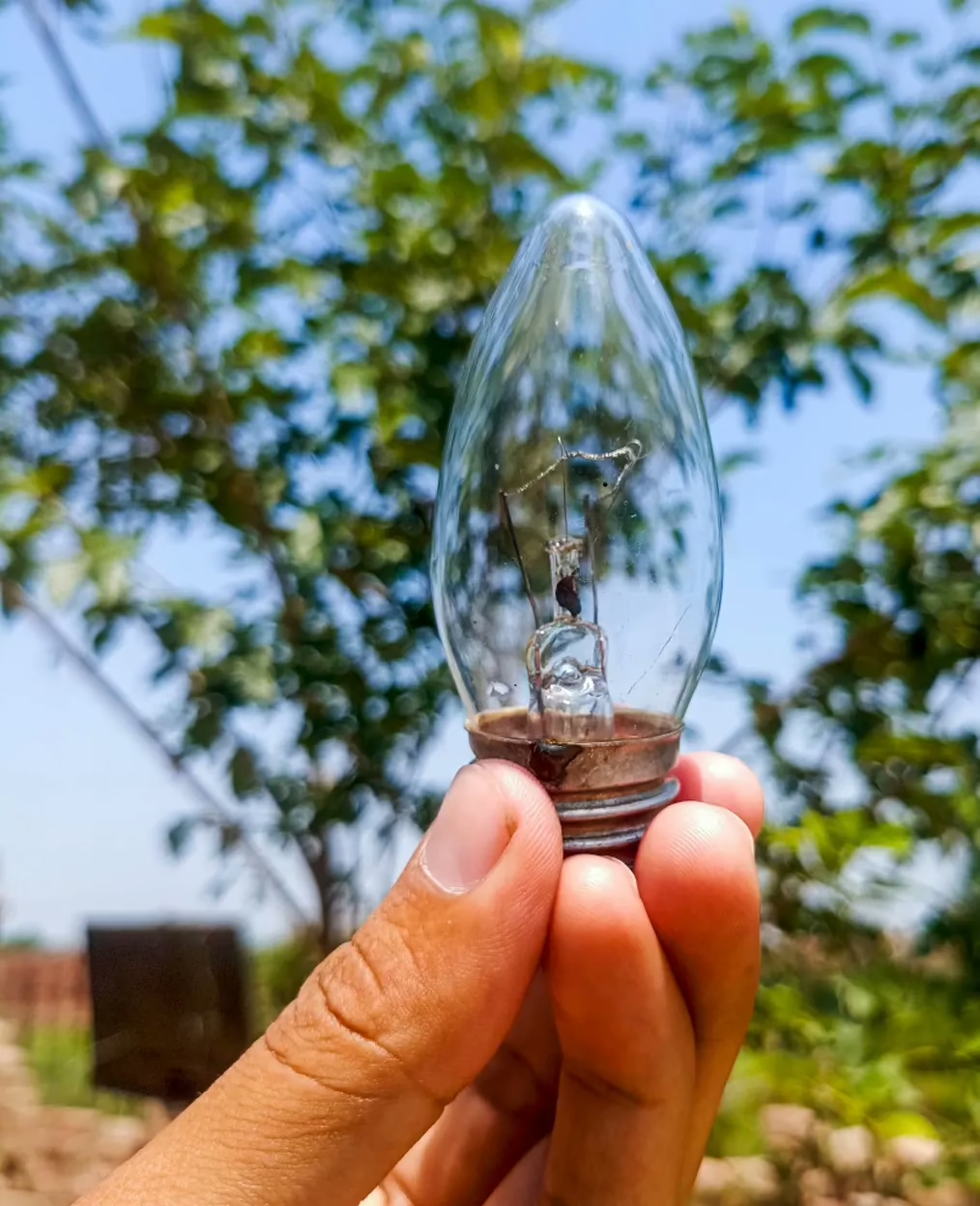
The pros and cons of renewable energies
✅ Advantages of renewable energy
1. Inexhaustible source of energy
Renewable sources, such as the sun, wind, or water, they do not run outUnlike oil or gas, these energies are constantly regenerated.
2. Reduction of polluting emissions
Renewable energies do not emit greenhouse gases during their operation, thus helping to combat climate change.
3. Reduced energy dependence
By investing in renewables, countries can reduce their dependence on fossil fuel imports and gain energy independence.
4. Job creation and economic development
The renewable energy sector generates thousands of jobs in installation, maintenance, and innovation. It is estimated that by 2030 more than 38 million people will work in this sector.
5. Tecnología en constante evolución
Innovation has made renewable energy sources increasingly efficient and economical. Solar panels and more powerful turbines are clear examples.
6. Positive impact in isolated areas
Renewable energies are an excellent option for rural areas or areas without connection to the electricity grid, improving the quality of life in remote communities.
❌ Disadvantages of renewable energy
1. Intermittency and dependence on the weather
It's not always sunny or windy. This natural variability necessitates backup or storage systems to guarantee supply.
2. High initial investment cost
Although they are profitable in the long term, many renewable technologies require a high initial investment.
3. Need for energy storage
Storage (such as batteries) is still expensive and limited, which complicates the management of excess energy generated.
4. Environmental and landscape impact
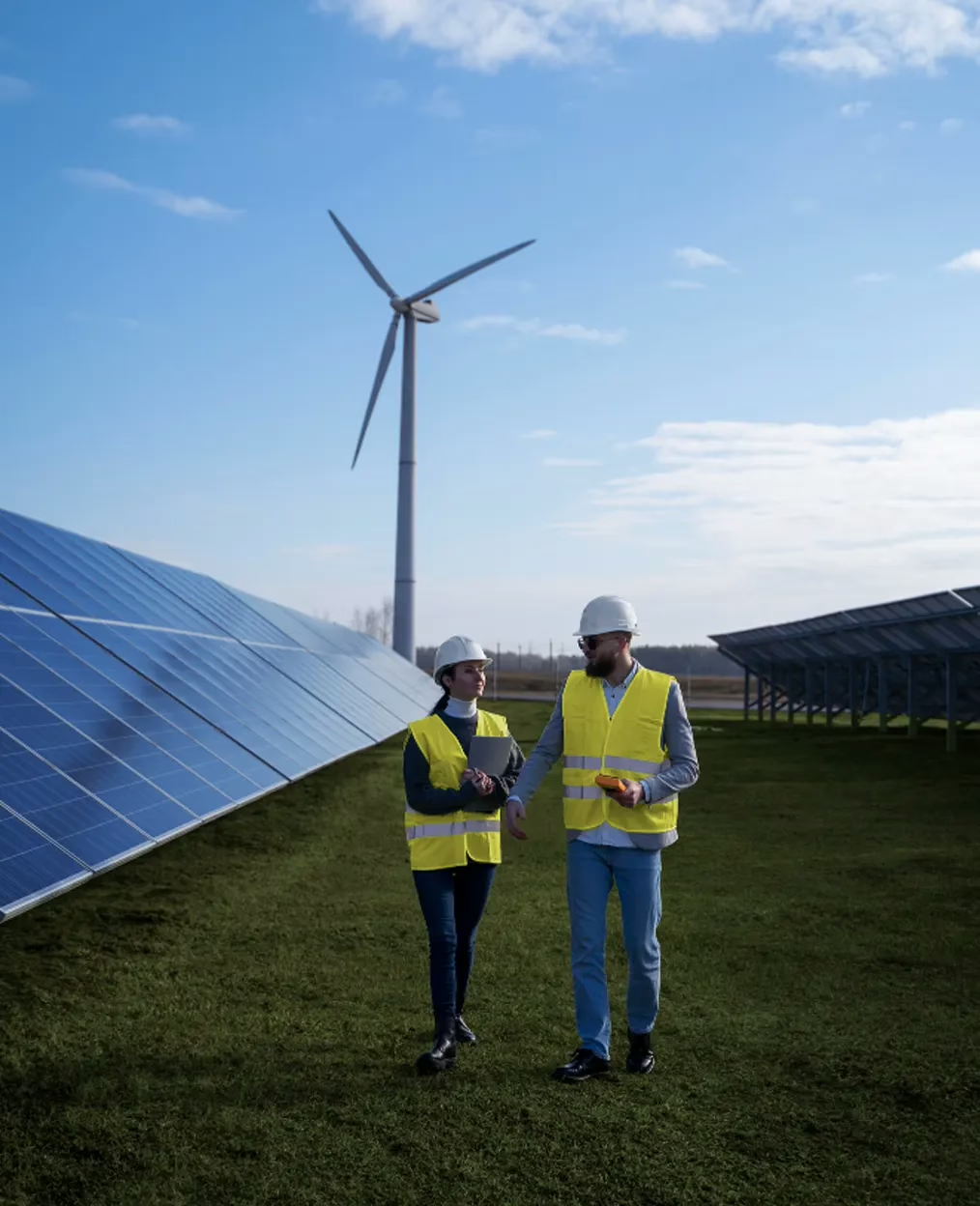
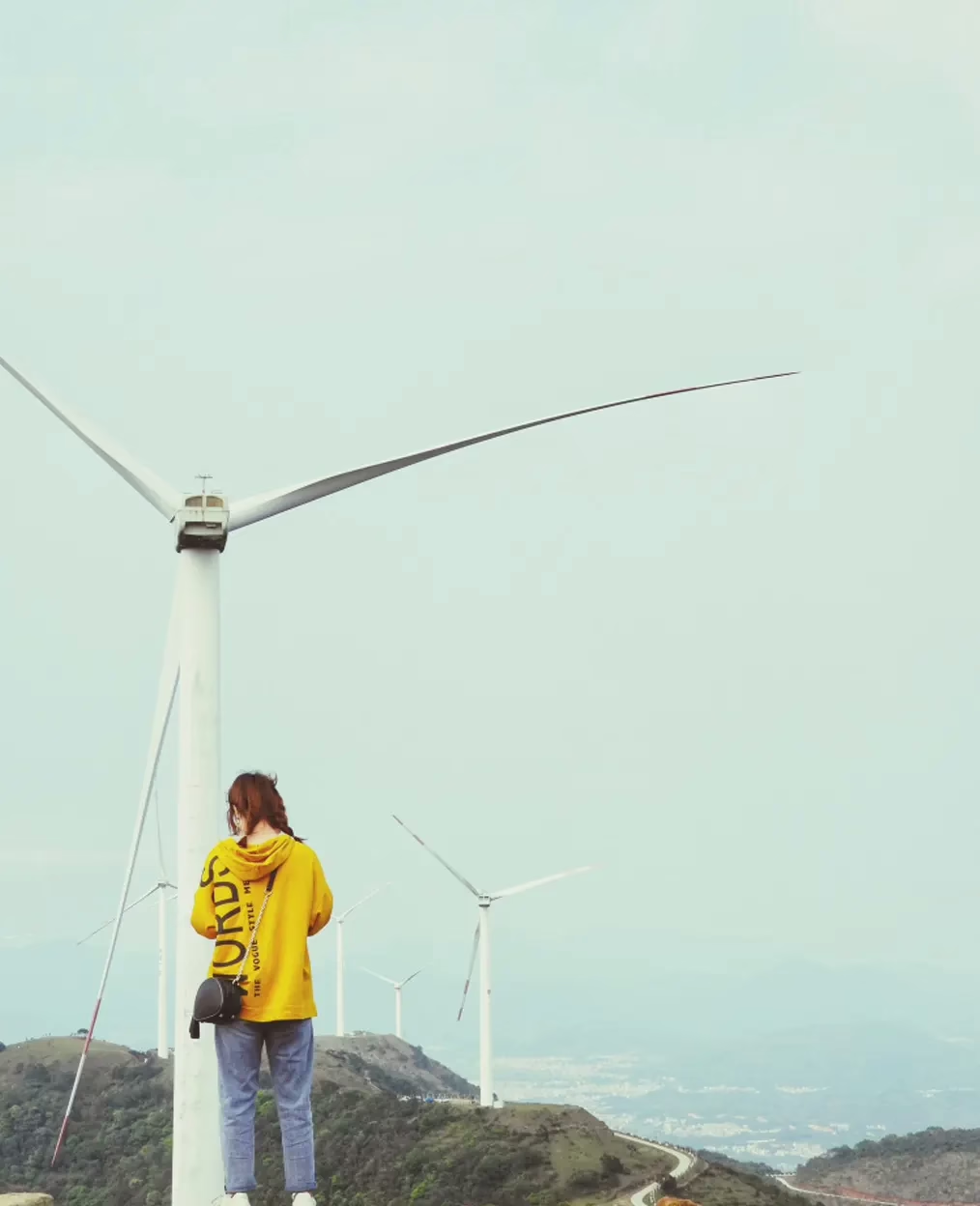
Renewable energy also generates certain impacts: turbines affect birds, dams alter rivers, and solar parks consume large areas of land.
5. Intensive use of space
To produce large amounts of energy, a lot of land is needed, which can compete with agricultural or natural uses.
6. Challenges of integration into the electricity grid
Current infrastructures must be modernized to integrate multiple decentralized sources and ensure stability.
🌎 What role will renewables play in the future?
Despite its limitations, the energy future necessarily depends on renewables. It is urgent to curb climate change and meet the Sustainable Development Goals. Governments, businesses, and citizens must be active participants in this transition.
Investing in efficiency, designing smarter infrastructure, promoting research, and raising public awareness are key steps towards a clean and equitable energy system.
📝 Conclusion
Renewable energies offer a real and necessary solution to the global environmental and energy crisis. They are clean, sustainable, and capable of transforming the current energy model.
However, to achieve an effective transition, it is essential to recognize its challenges and address them with innovation and planning. Change is already underway, and the sooner we embrace it, the more benefits we will see now and in the future.

Comentarios recientes