

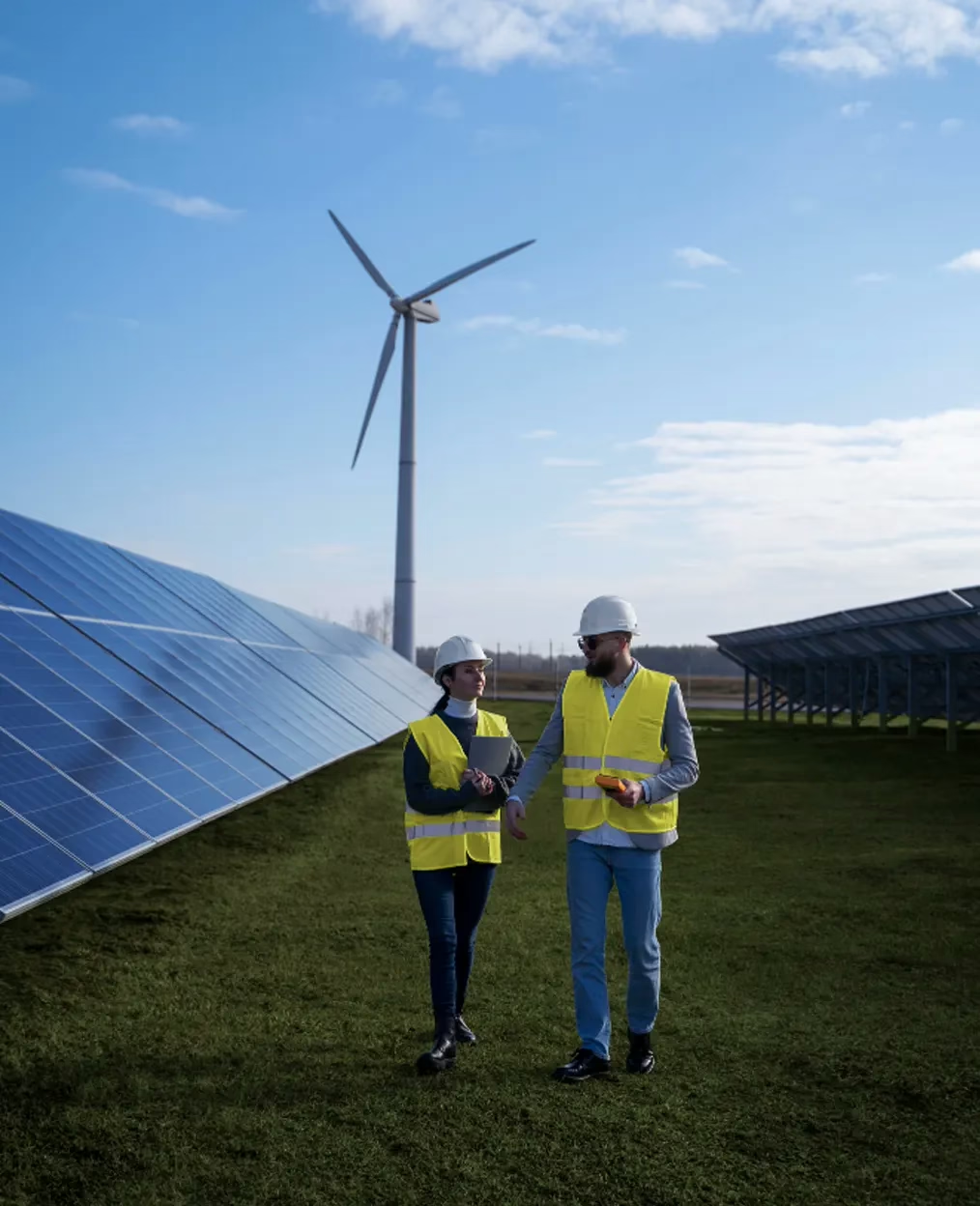
The future of renewable energy
Renewable energy is no longer a promise for tomorrow: it is a reality that is transforming how we produce and consume electricity worldwide. Faced with the climate crisis, the depletion of fossil fuels, and the need to reduce emissions, clean energy is emerging as the foundation of the energy system of the future.
But what awaits us in the coming years? What advances will we see in technology, infrastructure, and policy? In this article, we analyze the main trends and projections for the future of renewable energy.
⚡ Greater integration into the electrical grid
One of the major challenges today is managing intermittent renewable energy (such as solar and wind). The future points to a smarter, more flexible, and decentralized electricity grid, thanks to:
Smart grids: allow for balancing supply and demand in real time.
Medidores digitales: ofrecen información detallada del consumo para optimizarlo.
Automatización y control distribuido: mejoran la eficiencia energética global.
🔋 Almacenamiento masivo de energía
One of the key factors for the full adoption of renewable energy is efficient energy storage. Lithium batteries are becoming more affordable, but emerging technologies such as the following are also being researched:
Solid state batteries.
Thermal storage.
Green hydrogen as an energy carrier.
These solutions allow the energy generated during the day to be stored for use at night or during periods of low production.
🌍 Transición global y justicia energética
El futuro energético también debe ser más justo. Las energías renovables permitirán llevar electricidad a zonas rurales, aisladas o en desarrollo sin depender de grandes infraestructuras. Además:
They reduce the energy dependence of importing countries.
They generate local employment in installation, maintenance and technology.
They contribute to sustainable economic development.
🔬 Constant technological innovation
The evolution of renewable technology continues. Some key advances that will shape the future are:
Thinner, more efficient and recyclable solar panels.
Floating offshore wind farms.
Energy self-sufficient buildings (Net-Zero).
Integration of renewable energies in transport (electric mobility).
🏛️ Political and financial support
Governments and international organizations are promoting more ambitious energy policies. This includes:
Subsidies and tax incentives for the adoption of renewables.
Climate neutrality targets for 2030, 2040 and 2050.
Stricter emissions regulations for industries and transportation.
Furthermore, private investment in renewables is breaking records, accelerating innovation and competitiveness in the sector.
📈 Global projections
According to data from the International Energy Agency (IEA) and BloombergNEF:
Renewable energy sources represent 80% of new installed capacity worldwide by 2030.
Solar energy will be the cheapest source of power generation in most countries.
Onshore and offshore wind power generation will continue to grow exponentially.
📝 Conclusion
The future of renewable energy is bright, dynamic, and above all, necessary. The transition to a clean, decentralized, and inclusive energy model is not only possible, but inevitable.
Investing in renewable energy is no longer just an environmental choice: it's a strategic, economic, and social decision. Technologies are advancing, costs are falling, and global awareness is growing.
The time to act is now.

Comentarios recientes